Tuesday, June 20, 2023

An Example Of A Weekly Dinner Meal Menu For A Family


Here is an example of a weekly dinner meal menu for a family:

Monday: Spaghetti and meatballs, garlic bread, and a side salad


Tuesday: Grilled chicken with roasted vegetables


Wednesday: Chili and cornbread


Thursday: Tacos with ground beef, lettuce, tomato, and cheese


Friday: Homemade pizza with a variety of toppings


Saturday: BBQ ribs with baked beans and coleslaw


Sunday: Roast chicken with mashed potatoes and gravy, and steamed broccoli


This menu features a mix of meat and vegetarian dishes, and includes a variety of flavors and textures. You can adjust the menu to fit your family's preferences and dietary needs. You can also incorporate leftovers from previous meals or plan to have a meal that can be easily reheated on busier nights.

Identify The Purpose Of Each Room In Your House And Create Specific Zones


1. Identify the purpose of each room: Determine the main function of each room in your house, such as a living room for relaxation, a dining room for meals, and a home office for work.

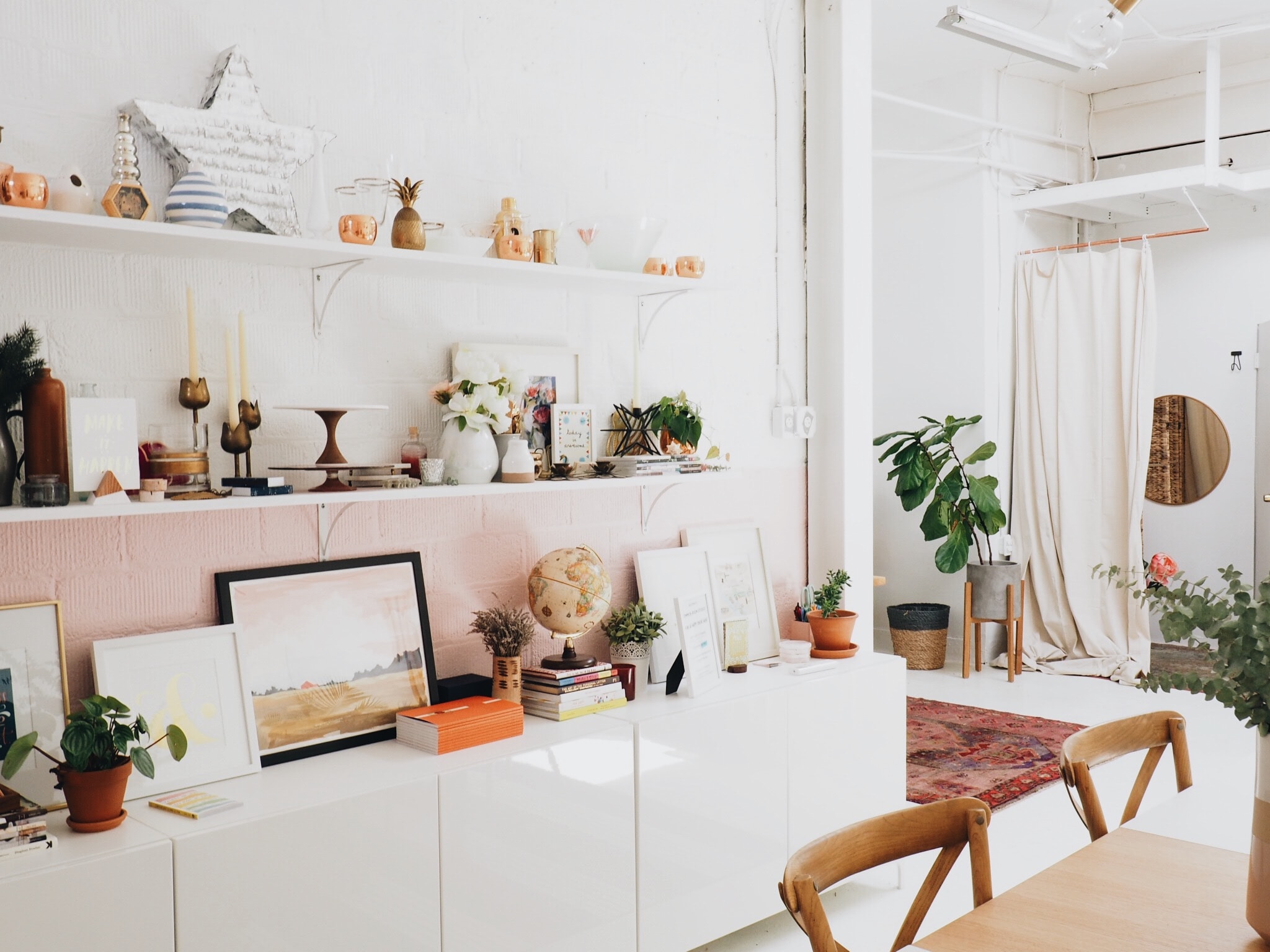
2. Assign specific zones within each room: Once you've identified the purpose of each room, divide the space into specific zones. For example, in the living room, create a seating area, a reading area, and a media area. In a dining room, set up a dining table and chairs, a sideboard or a hutch for storage.

3. Use furniture and decor to define the zones: Use furniture, decor, and lighting to create a sense of separation between the different zones. For example, you can use a bookshelf to separate the reading area from the seating area, or use a statement lighting fixture to draw attention to a dining table.

4. Make use of rugs: Use rugs to create a visual boundary between different zones in a room. It also helps to define a specific area while also adding a design element to the room.

5. Consider traffic flow: When setting up the zones, keep in mind the flow of traffic in the room. For example, make sure the dining table is not blocking the main entrance or that the seating area does not impede movement in the living room.

6. Utilize storage: Use storage solutions such as shelves, cabinets and drawers to keep the zones organized. It will make it easy to find items and keep them in their designated area.

7. Add personal touches: Incorporate personal touches such as artwork, photographs and other decor items to make each zone feel unique and special.

8. Be flexible: Remember that the zones are not set in stone, and you can always change them if they are not working for you. Keep in mind that your needs might change over time, and being able to adapt the space to them is important.

By creating specific zones in your home, you can create a more functional and organized space that meets the needs of you and your family.

30 Tips To Help You Organize Your Kitchen


Here are 30 tips to help you organize your kitchen:

1. Sort through your pots, pans, and cooking utensils and get rid of any duplicates or items you no longer use.

2. Consider using stackable bins or trays to store pots and pans in a cabinet or on a shelf.

3. Use under-shelf baskets to maximize storage space in your cabinets.

4. Use a spice rack or use small containers to organize your spices.

5. Use stackable bins or racks to store baking sheets and cutting boards.

6. Invest in stackable or modular containers to maximize storage in the fridge and freezer.

7. Use drawer organizers to keep utensils and other small items in place.

8. Use baskets or bins to corral small appliances on the countertop.

9. Use clear storage containers to easily see what is inside.

10. Use drawer organizers or trays to keep your silverware organized.

11. Use stackable bins or racks to store canned goods.

12. Utilize wall or door storage to free up cabinet and counter space.

13. Consider using a Lazy Susan to easily access items in the corner of a cabinet.

14. Use a utensil organizer to keep cooking utensils in place.

15. Install shelves or stackable bins to create additional storage in pantry cabinets.

16. Use bins or baskets to store bags of chips, boxes of cereal, and other bags and boxes.

17. Use drawer organizers to keep plastic wrap, aluminum foil, and wax paper organized.

18. Use bins or baskets to store small appliances that you don't use often.

19. Use stackable bins or racks to store pots and pans in a pantry.

20. Use drawer organizers to keep baking supplies organized.

21. Use stackable bins or racks to store baking sheets and cutting boards in a pantry.

22. Consider using stackable bins or racks to store canned goods in a pantry.

23. Use baskets or bins to store bags of chips, boxes of cereal, and other bags and boxes in a pantry.

24. Use bins or baskets to store small appliances that you don't use often in a pantry.

25. Use drawer organizers to keep plastic wrap, aluminum foil, and wax paper organized in a pantry.

26. Use bins or baskets to store pots and pans in a pantry.

27. Use stackable bins or racks to store baking sheets and cutting boards in a pantry.

28. Use bins or baskets to store canned goods in a pantry.

29. Use bins or baskets to store bags of chips, boxes of cereal, and other bags and boxes in a pantry.

30. Use bins or baskets to store small appliances that you don't use often in a pantry.

Sunday, June 11, 2023

Creating A Home Organizing System

A home organization system is a set of strategies and tools used to create a functional and efficient living space. A home organization system can involve organizing and storing items in a way that makes them easy to access and use, as well as creating systems for managing tasks and responsibilities.


Some common elements of a home organization system include:

* Sorting and decluttering: Removing unnecessary or unused items from your home to create more space and minimize clutter.

* Designating storage areas: Identifying specific areas or containers for storing different types of items, such as clothing, household supplies, or paperwork.

* Labeling: Using labels or tags to clearly identify the contents of storage areas and make it easier to find items.

* Creating routines: Establishing routines for tasks such as cleaning, laundry, and paying bills to help keep your home running smoothly.

* Using organizing tools: Utilizing tools such as bins, baskets, shelves, and drawer organizers to keep items organized and easily accessible.


Implementing a home organization system can help you create a more efficient and functional living space, as well as reduce stress and improve your overall quality of life.

Displaying and Organizing Your Collectibles In Your Home


Here are some tips for displaying and organizing collectibles in your house:


1. Sort through your collectibles and decide which ones you want to display. Set aside any items that are not in good condition or that you no longer want to keep.

2. Decide on a theme or color scheme for each room or area where you want to display your collectibles.

3. Consider the size and shape of your collectibles when deciding on how to display them. For example, small items such as figurines or coins can be displayed in a shadow box or on a shelf, while larger items such as vases or statues can be displayed on a mantel or in a curio cabinet.

4. Use risers or stands to raise items off the surface, this allows them to be seen from all angles.

5. Use lights or backlighting to highlight your collectibles and make them more visible.

6. Consider grouping similar items together, such as all your books, toys, or stamps.

7. Create vignettes, group of items that tell a story or create a scene, help create more interesting displays.

8. Use clear, acid-free boxes or containers to store and protect your collectibles that are not on display.

9. Label items to know what they are, their age and origin and when they were acquired.

10. Be mindful of the placement, try to avoid high traffic areas, dampness, direct sunlight and keep your collectible safe from children and pets.


Remember that your collection and the way you display it is a personal choice and you should enjoy it in a way that pleases you.

Common Casserole Meal Ideas For Moms


Here is a list of common casserole meals:


1. Tuna casserole

2. Chicken and rice casserole

3. Beef and noodles casserole

4. Broccoli and cheese casserole

5. Chili casserole

6. Macaroni and cheese casserole

7. Corn casserole

8. Green bean casserole

9. Sweet potato casserole

10. Zucchini casserole

11. Eggplant casserole

12. Squash casserole

13. Ratatouille casserole

14. Shepherd's pie

15. Chicken Pot pie


Casseroles are a convenient and economical way to feed a group of people. They can be made with a variety of ingredients and are often easy to prepare. 

Saturday, June 10, 2023

How To Make A Family Meal Rotation Plan


Here are some steps you can follow to make a monthly meal plan rotation for your family:

1. Start by making a list of your family's favorite meals. This could include main dishes, side dishes, and desserts.

2. Consider your family's schedule and preferences. Make note of any days that you will be particularly busy or have special events, and plan accordingly.

3. Plan your meals around sales and deals at the grocery store. Look for deals on meats, vegetables, and other ingredients that you can incorporate into your meals.

4. Consider the time and effort required to prepare each meal. Spread out more time-intensive meals throughout the month to balance out your schedule.

5. Plan for leftovers. Consider making extra servings of certain meals so you can have leftovers for lunches or another meal later in the week.

6. Use a calendar or planner to map out your meals for the month. You could use a physical calendar or a digital calendar or spreadsheet.

7. Make a shopping list for each week based on the meals you have planned. This will help you stay organized and ensure that you have everything you need on hand.

By following these steps, you can create a monthly meal plan that works for your family's needs and preferences. This can help you save time and money, and reduce the stress of deciding what to make for dinner each night.